Liposuction vs CoolSculpting: Which Makes Sense for a Thailand Trip?
An ASPS member surgeon's blog says liposuction can be used on large areas with significant fat deposits, and that nonsurgical fat reduction should be limited to small, stubborn areas and may need multiple treatments. Liposuction removes fat through small incisions. ASPS says CoolSculpting, also called cryolipolysis, uses cold temperature to break down fat cells, which the body gradually eliminates over four to six months.
For someone considering liposuction in Thailand, the choice includes time away from normal activities. An ASPS member surgeon's blog describes recovery with swelling and pain after surgery; its cryolipolysis guidance says there are no activity restrictions after fat freezing. Ask which approach fits the change you want and the recovery time you can arrange.
Clinics cannot pay to be listed or ranked higher on AsiaPatient.
Liposuction vs CoolSculpting at a Glance
Neither option is a weight-loss treatment. Cleveland Clinic makes that distinction for liposuction, while the US Food and Drug Administration (FDA) says non-invasive body contouring doesn't treat obesity or produce weight loss.
The FDA describes marketing authorization for non-invasive body-contouring devices and says fat-freezing devices are for prescription use only. It says the safety and effectiveness of home or over-the-counter fat freezing haven't been established.
Ask the clinic which device and applicator, the part placed against the treatment area, it plans to use. Ask whether the device's authorized use covers your proposed body area.
| Comparison point | Liposuction | CoolSculpting or cryolipolysis |
|---|---|---|
| What it is | ASPS handbook: liposuction uses a blunt-ended wand called a cannula, attached to a tube and a vacuum; a high-pressure vacuum is applied to the cannula to remove fat | ASPS: cold breaks down fat cells, while skin and other structures are described as spared from injury |
| Anesthesia | Yanhee: general anesthesia for its liposuction procedures | ASPS: done without anesthesia |
| Sessions | An ASPS member surgeon's blog: may be effective after one procedure | ASPS: some patients treat several areas or have an area treated again |
| Downtime | An ASPS member surgeon's blog: recovery with swelling and pain; Yanhee: one hospital night and 7 to 10 days near Bangkok | ASPS: no activity restrictions; UK CoolSculpting FAQ: normal activities can typically resume almost immediately |
| Fat reduction reported | An ASPS member surgeon's blog: can treat large areas with significant fat deposits | ASPS: average fat reduction of about 20% over four to six months |
| Results timing | An ASPS member surgeon's blog: final results at one to three months, depending on how much fat is removed; NHS: complete settling can take up to six months | ASPS: gradual elimination of injured cells over four to six months; FDA: released fat is usually cleared within two to three months |
| Side effects and risks | ASPS: bruising, swelling, altered sensation, uneven contours, fluid buildup, infection, anesthesia risks and deep vein thrombosis (a blood clot in a deep vein); ultrasound-assisted liposuction also carries heat-injury risk | FDA: common effects include redness, bruising, swelling, discomfort and skin discoloration; less-common effects include prolonged numbness, small lumps and freeze burns; PAH is discussed below |
The ASPS fat-reduction percentage describes a treated bulge. Keep it separate from overall body weight and from the surgical description. Ask the clinician what change is realistic in your proposed area, how they would measure it and when they would assess it.
Is CoolSculpting or Liposuction More Effective?
An ASPS member surgeon's blog describes liposuction as able to treat larger areas with significant fat deposits, potentially after one procedure. It describes nonsurgical fat reduction as suited to smaller, stubborn areas, with possible repeat treatment and less immediately dramatic results.
Ask which option can address the area and degree of change you want, then discuss its risks and recovery requirements.
Who Each Treatment May Suit, According to the Sources
When the sources describe liposuction as a fit
The ASPS handbook describes the best candidate as physically fit, close to their ideal weight and with good skin elasticity. The NHS describes treatment of small fat areas that resist a healthy diet and exercise.
The NHS says liposuction works best when skin is firm and elastic. It won't remove cellulite or stretch marks and isn't a treatment for obesity.
ASPS guidance says no single technique or cannula is best for every patient. If your proposed plan includes VASER, an ultrasound-assisted type of liposuction, see VASER liposuction in Thailand and ask the surgeon why that technique fits your case.
When the sources describe cryolipolysis as a fit
ASPS describes people who want to reduce a localized fat bulge that persists despite diet and exercise. It says loose skin or poor skin tone may make someone unsuitable.
Cleveland Clinic recommends it only for people in good general health, without neurologic or orthopaedic problems, who want fat reduction in specific spots. It doesn't recommend cryolipolysis for people with obesity.
ASPS says people with cold-related disorders should not have cryolipolysis. Tell the clinician about any condition triggered by cold and ask how it affects suitability.
Repeat treatment may be needed, according to an ASPS member surgeon's blog. Ask how many visits are proposed for your goal and how the clinician would decide whether another treatment is appropriate.
CoolSculpting Side Effects and Paradoxical Adipose Hyperplasia
The FDA separates common effects from less-common complications:
- Common effects include redness, bruising, swelling, pain or discomfort, and skin discoloration.
- Less-common effects include numbness lasting weeks, small temporary lumps in the fat, and freeze burns that can be severe.
- Under the jawline, nerve injury can temporarily change the position of the lip or tongue; treatment under the chin can cause temporary throat fullness.
Paradoxical adipose hyperplasia, or PAH, means fat grows thicker in the treated area instead of shrinking. The FDA describes a firm, raised bulge, often rectangular and shaped like the applicator. Reported cases developed two to five months after treatment; the FDA says PAH doesn't resolve on its own and may require surgery.
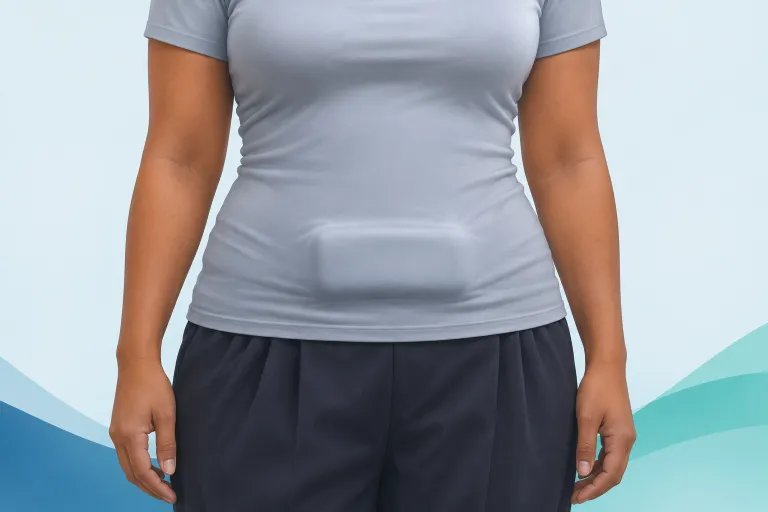
The reported PAH figures use different measures and have limits:
- ASPS says PAH occurs rarely, in less than 1% of patients.
- The UK CoolSculpting manufacturer page reports approximately 1 in 3,000 treatment cycles, or 0.033%. A treatment cycle is one individual treatment.
- One 2025 systematic review and meta-analysis by Mah and colleagues included 28 studies and 13,078 cryolipolysis patients. Low-certainty evidence suggested a pooled PAH incidence, an estimated rate across the studies, of 0.22%, with a 95% confidence interval, a statistical range, of 0.10% to 0.47%, and 29 cases identified, reported as 1 in 455 patients.
Only four studies in Mah's review reported sufficient follow-up of at least 16 weeks. The FDA says reported PAH cases developed two to five months after treatment.
ASPS also describes PAH as three times more likely in men than women and more frequently seen in people of Hispanic or Latino descent. Ask the clinician how they discuss your individual risk rather than applying a group description to yourself.
A treatment-cycle rate counts treatments; the review reports a patient rate. Don't combine the figures into a single risk range. Before treatment, ask who would assess a new bulge after you return home and what care would follow a PAH diagnosis.
What a Thailand Trip Changes, and What It Does Not
Liposuction adds a surgical stay and flight decision
Yanhee International Hospital prints a one-night hospital stay for its body-liposuction rows. Its local-stay advice is to "plan to stay near Bangkok for 7 to 10 days," alongside instructions to return for follow-up and stitch removal.
The NHS advice on cosmetic surgery abroad recommends not flying for five to seven days after liposuction. It says air travel and major surgery increase blood-clot risk.
Ask your surgeon to confirm both the local appointment schedule and when you can fly. Yanhee gives two separate timings for planning accommodation: one hospital night and 7 to 10 days near Bangkok.
For the recovery milestones behind that plan, see liposuction recovery in Thailand. Ask which appointments need to happen before departure and who will handle concerns after you get home.
Cryolipolysis still needs a treatment and follow-up plan
ASPS describes cryolipolysis as requiring no anesthesia and having no activity restrictions. The manufacturer says normal activities can typically resume almost immediately. Those are the practical activity advantages described for the nonsurgical option.
For a trip, ask whether the proposed course fits within your stay or involves later visits. ASPS says some patients retreat an area and describes results developing over four to six months.
Ask when the clinician wants to assess your results and whether that appointment can happen after you return home. Discuss your flight date separately, including who to contact if pain or a change in the treated area develops during travel.
Before committing to either treatment abroad, ask:
- Who will assess my suitability and carry out the treatment?
- Which areas are included, and what change should I reasonably expect?
- What follow-up needs to happen in Thailand?
- Who will assess a complication after I return home, and how would treatment be arranged?
Price: Keep the Two Types of Quote Separate
Yanhee prints liposuction from THB 55,000 per site, including one hospital night, read 4 November 2026. For CoolSculpting, request a total for the proposed areas and complete treatment course, including any planned repeat visits. Use the liposuction cost in Thailand page for surgical quote details.
In this section: liposuction in Thailand, liposuction in Bangkok, chin and neck liposuction, compression garments liposuction, what liposuction costs in Thailand, Lipo 360, liposuction recovery, risks liposuction, types liposuction, VASER liposuction and liposuction vs tummy tuck.
Frequently asked questions
Where does the fat go after CoolSculpting?
ASPS says the body gradually eliminates injured fat cells over four to six months. The FDA describes the immune system clearing fat released from damaged cells. This usually takes two to three months.
What is paradoxical adipose hyperplasia after CoolSculpting?
PAH is growth of fat in the treated area, causing a firm bulge. The FDA describes reported onset two to five months after treatment and says surgery may be needed.
ASPS gives less than 1% of patients; the UK manufacturer reports about 1 in 3,000 treatment cycles.
Can I fly home after liposuction in Thailand?
The NHS recommends avoiding flying for five to seven days after liposuction. Separately, Yanhee advises 7 to 10 days near Bangkok for its local recovery and follow-up plan. Ask your treating surgeon to confirm your departure date and required appointments.
Does CoolSculpting need anesthesia or downtime?
ASPS says cryolipolysis is done without anesthesia and has no activity restrictions. The FDA still lists possible effects such as pain, bruising and prolonged numbness. Ask how the proposed treatment could affect your planned activities.
Read next
- Liposuction areas: where it is used and what limits itThe body areas sources name for liposuction, what makes an area suitable, and why combining areas is a question for your surgeon.
- Liposuction in BangkokWhich Bangkok hospitals and clinics print a liposuction price, where they are and what the stay looks like.
- Liposuction recovery: garments, risks and the trip homeWeek by week after liposuction: compression garment, swelling, return to work and exercise, the main risks, and what Thai hospitals print about stay.
- Compression garments after liposuction: how long and which kindHow long to wear a compression garment after liposuction, which kind, what studies show about swelling and results, and what Thai hospitals say.
Ask a Surgeon Whether Liposuction or a Non-Surgical Option Fits Your Goal
Tell us the procedure, your budget and your dates, and any hospitals you are considering.
Get My Free Quote →Free, no obligation. Nothing goes to a clinic without your OK.